

Four Essential Conversations to Have with Your Partner Before Your Baby is Born
Why Couples Struggle After Baby — And What Helps

The transition to parenting, while awe-inspiring, can be challenging for couples. Research indicates that many couples experience a decline in relationship satisfaction in the first year postpartum. To those of us who have experienced the joys and challenges of becoming parents, this likely comes as no surprise. Becoming parents involves physical challenges like pregnancy, childbirth, and sleep deprivation, as well as the emotional challenges of taking on a new identity, caring for a needy tiny human, and managing the shifts that happen in our relationships post-baby.
Some of these challenges are unavoidable; it is a massive life transition. However, one of the topics that comes up frequently with our clients is dissatisfaction or frustration with a partner after the birth of a child. We know that even as many families) have moved towards more egalitarian parenting, mothers tend to carry a higher burden of household responsibilities, particularly childcare responsibilities.This is true even in households where women are the primary earners and even as millennial men express a desire to be more equal parents than in previous generations.
So, how do we avoid some of these more common relationship pitfalls that often accompany the transition to parenthood? It starts with communication before your baby is born. Many of our clients come to us having never had meaningful conversations with their partner about division of labor or parenting expectations. While we can't fully predict how parenting will tax your relationship, these four essential conversations can go a long way in helping you weather the transition. e suggestions for conversations to have with your partner before you become coparents.
1. What do we need to know about infants? How can we learn what we need to know?
This may seem rather basic, but it can be illuminating to both partners. If there is one person who has more experience or know-how, it can be easy for that person to become the “default parent.” In many heterosexual relationships, this can lead to the default of the woman being positioned as the “better” or “natural” choice for parenting tasks that could be executed by either parent. Research shows that knowing about some of the challenges of parenting and being prepared to face them together can help to ease this transition and make sure both partners remain active and informed parents.

2. What role do you see each of us playing in parenting? How will that play out day-to-day?
In relationships where one partner is carrying the pregnancy, this person has a “head start” in thinking about parenting. Their life starts to change as soon as they realize they are pregnant; and typically think a lot more about what it means to be a parent than the non-pregnant partner. Having conversations to clarify expectations about roles and responsibilities is an important part of getting on the same page about life post-birth. It can be helpful to clarify expectations around basic tasks such as feeding, managing middle-of-the-night wake-ups, and childcare responsibilities. This is also a great moment to discuss things like parental leave policies and paid time off.
3. What kind of support might we need postpartum?
Taking time to think practically about what supports you have available and what additional supports might be needed postpartum can be vitally important. Will family members be involved? Friends? Would getting a postpartum doula be helpful? Do either of us have any preconceived notions or feelings about outside support? Putting supports in place that everyone is comfortable with ahead of time can mitigate conflict after the baby is born.
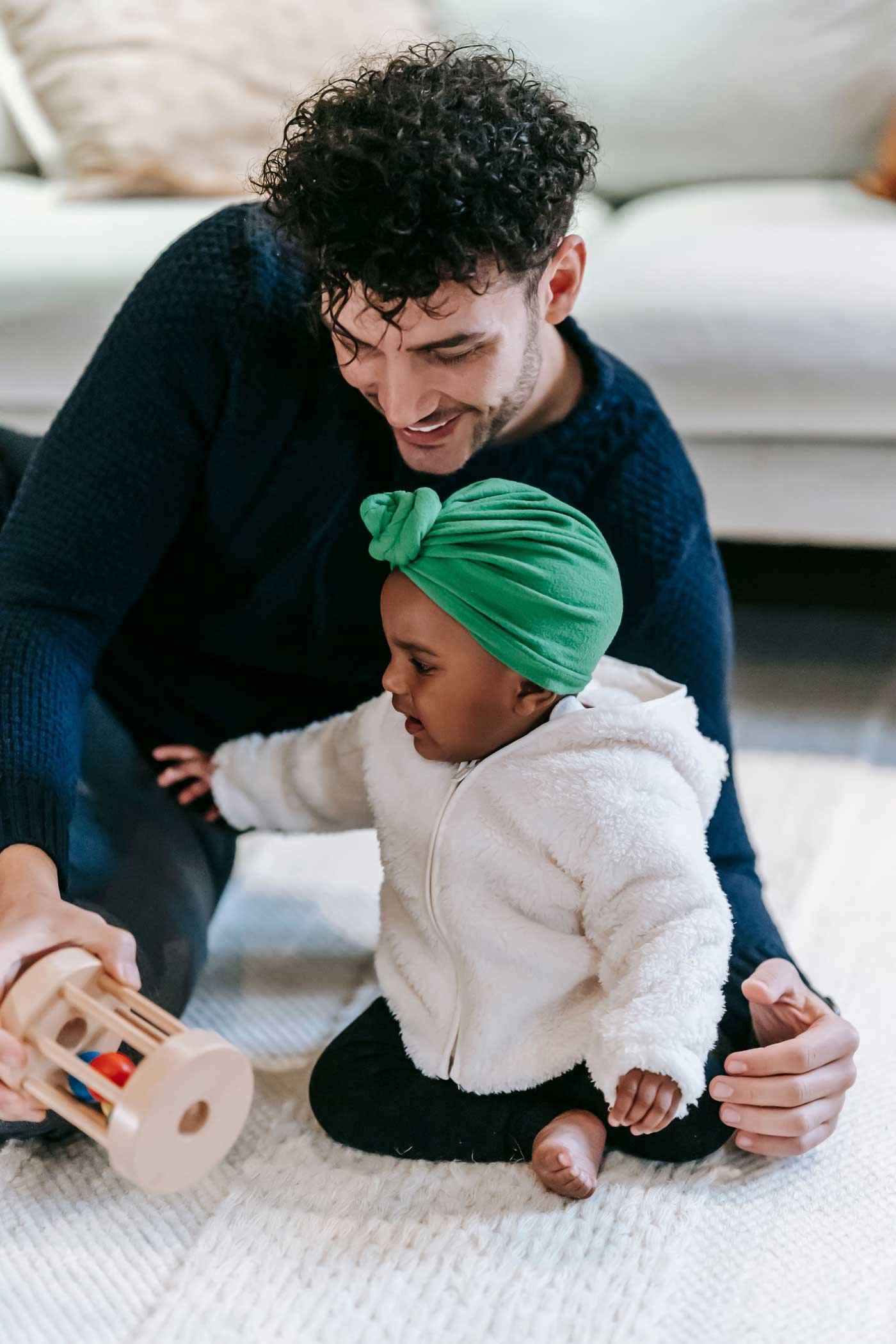
4. What are things your parents did that you would like to replicate with our kid(s)? What are ways you would like to parent differently from your parents?
I remember clearly the mutual incredulity my partner and I experienced when we realized that we had different philosophies on wrapping Christmas presents from Santa (his were never wrapped, mine always were). This, then, resulted in some unexpected Christmas Eve bickering between two exhausted toddler parents. While this is a silly example, it highlights how we may assume that traditions we were raised with, values we were taught to embrace, or household customs are going to be the norm in our household. Therefore, talking with your partner about how you want your kids’ experiences to be both similar to and different from your own can be an important part of deciding what will be prioritized and valued in the family you are building.
Proactive Conversations are Key
We cannot necessarily know exactly what parenting is going to be like, but having dedicated conversations about the realities and expectations of parenting before a baby comes can help get partners on the same page in their understanding of the roles, expectations, and responsibilities of parenting. Many couples find that extra support around these conversations can defuse tensions and lead to more collaboration and care. This is where we come in. If you are looking for counseling support to clarify your parenting expectations, navigate conflict, or strengthen your relationship, reach out to us for couples support and parenting support.

Author:
Jillian Neill, PsyD is a licensed psychologist at Dr. Emma Basch & Associates, specializing in perinatal mental health, neurodivergence, and ADHD in women. She works with pregnant and postpartum individuals, new parents, and couples navigating the profound transition to parenthood. Learn more about Dr. Neill →