

Choosing to Parent Alone: The Emotional Reality of Single Motherhood By Choice
The decision to become a single mother by choice is one of the most beautiful and brave decisions a woman can make. It can also, at times, feel like one of the loneliest.
Not because she lacks people who love her. But because of the fear and the hope that arrives at the same time. The well-meaning questions from people who want to know if she has really thought this through, as though the decision arose lightly. It did not. Women who choose solo motherhood arrive at this path after months or years of reflection, longing, and a particular kind of courage that does not always get the recognition it deserves.
More women than ever are making this choice.
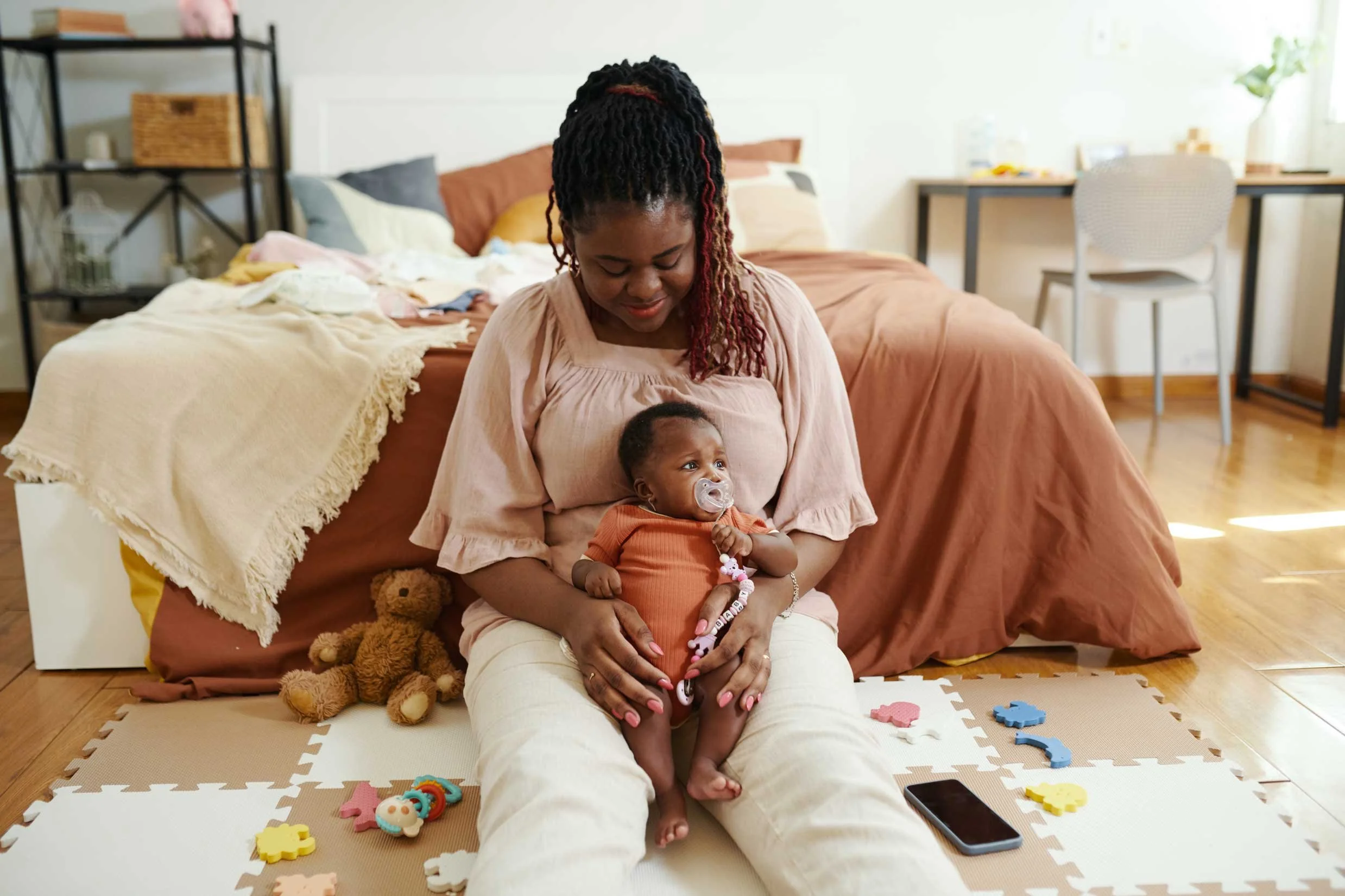
The Decision Itself
Choosing to parent alone, whether because the right partner never came, because time became a factor, or because solo motherhood felt like the truest path, is a decision that arrives with its own particular weight. It is rarely simple, even when it is clear.
According to a comprehensive 2025 systematic review published in Reproductive Health, single mothers by choice are typically well-educated, financially independent women in their late thirties for whom motherhood is a long-standing personal goal, pursued independently due to the absence of a suitable partner and concerns about declining fertility. The decision is described consistently across studies as both pragmatic and deeply empowering.
Choosing to parent alone is a legitimate, loving choice. It is not a consolation prize. It is not settling. And it deserves the same care, thoughtfulness, and emotional support as any other path to parenthood.

The IVF/IUI Process and Its Emotional Weight
For many single mothers by choice, the path to parenthood runs through a fertility clinic. And the process, for all its remarkable capabilities, is not a straightforward emotional experience.
There is the choice of a donor, which many women describe as somewhat surreal. The medical appointments, the medications, the waiting. The particular vulnerability of going through procedures largely, and sometimes entirely, alone. Research published in the Journal of Assisted Reproduction and Genetics found that at one US academic reproductive center, 23.5% of all patients using donor sperm were single women, reflecting just how significant a portion of fertility care now serves women building families on their own.
Most clinics require a session with a mental health professional before beginning donor conception. This is not about questioning the choice. It is about making space to process it, to think through future family conversations and how you may want to talk with your child about their origins. It is also worth noting that research consistently shows families who talk openly with their children about donor conception earlier tend to have healthier family relationships and more open communication over time. Many mothers find it helpful to begin thinking about those conversations long before they feel necessary.
Beyond that, therapy can be a helpful part of making the process feel less isolating. Evidence-based approaches including cognitive behavioral therapy, acceptance and commitment therapy, and mindfulness-based interventions have all shown meaningful benefit in reducing the emotional distress of fertility treatment. Expressive writing and grief-informed approaches can also help women process the emotional terrain of the journey.
The Grief Inside the Single Motherhood Journey
Not grief about the choice itself, necessarily, though that can be part of it. Grief about the relationship that did not come, about the version of this that looked different in the imagination. Grief during a failed cycle. Grief during the waiting. And grief that shows up even when things are going well, because grief is not logical and it does not follow a timeline.
For women going through IVF for fertility reasons rather than purely by choice, this can be even more layered. The diagnosis. the uncertainty, the procedures. The particular loneliness of navigating something so profound, often without the visibility and acknowledgment that other kinds of loss receive.
Grief does not need to be earned. If you are grieving any part of this journey, that grief is real and it deserves space.

What Life Actually Looks Like as a Solo Mother
Most single mothers by choice report high satisfaction with their decision. Research is consistent on this. But that does not mean it's not hard.
According to data from the Boston Congress of Public Health Review, there are approximately eleven million single-parent households in the United States, and roughly 80% of them are led by single mothers. While single mothers by choice represent a distinct subset of that broader group, the practical and emotional demands of solo parenting are something many women in this community feel deeply. Worldwide research on women who became solo mothers through assisted reproduction found that while most reported strong support from family and friends in the early weeks, only about 61% were able to occasionally resume social activities, and just 18% could do so freely whenever they wished.
The demands of solo parenting are real. So is the isolation that can come with them, particularly in a culture that does not always have a clear language or ready community for this path.
This is not a reason not to do it. It is a reason to build your support system intentionally, before the baby arrives if possible, and to reach out for additional help when the load becomes more than you can carry alone. Research from the Journal of Education and Health Promotion found that social support, both from family and from friends, is one of the strongest protective factors for single mothers' mental health and parenting experience.

You Deserve Specialized Support
Research is consistent on one important point: healthcare providers, including mental health providers, often feel insufficiently prepared to support single mothers by choice. The result is care that does not fully account for the specific emotional experience of this path. The grief. The particular kind of tiredness. The questions about how and when to talk to your child about donor conception. The identity shifts that come with being someone's only parent.
You deserve a therapist who genuinely gets it. One who does not ask whether you really thought this through. One who can hold the full complexity of what this path carries.
How Therapy Can Help
Therapy during the fertility treatment process has been shown to meaningfully reduce stress, anxiety, and depression associated with IVF. It creates a space to process the decision, navigate the medical experience, and prepare emotionally for the parenthood ahead.
At Dr. Emma Basch and Associates, we work with women at every stage of the reproductive journey, including those navigating solo parenthood by choice. We offer in-person therapy in Washington, DC and telehealth in Maryland, Virginia, and more than 40 additional states.
If any of this has resonated with you, please know that you do not have to carry all of it alone.
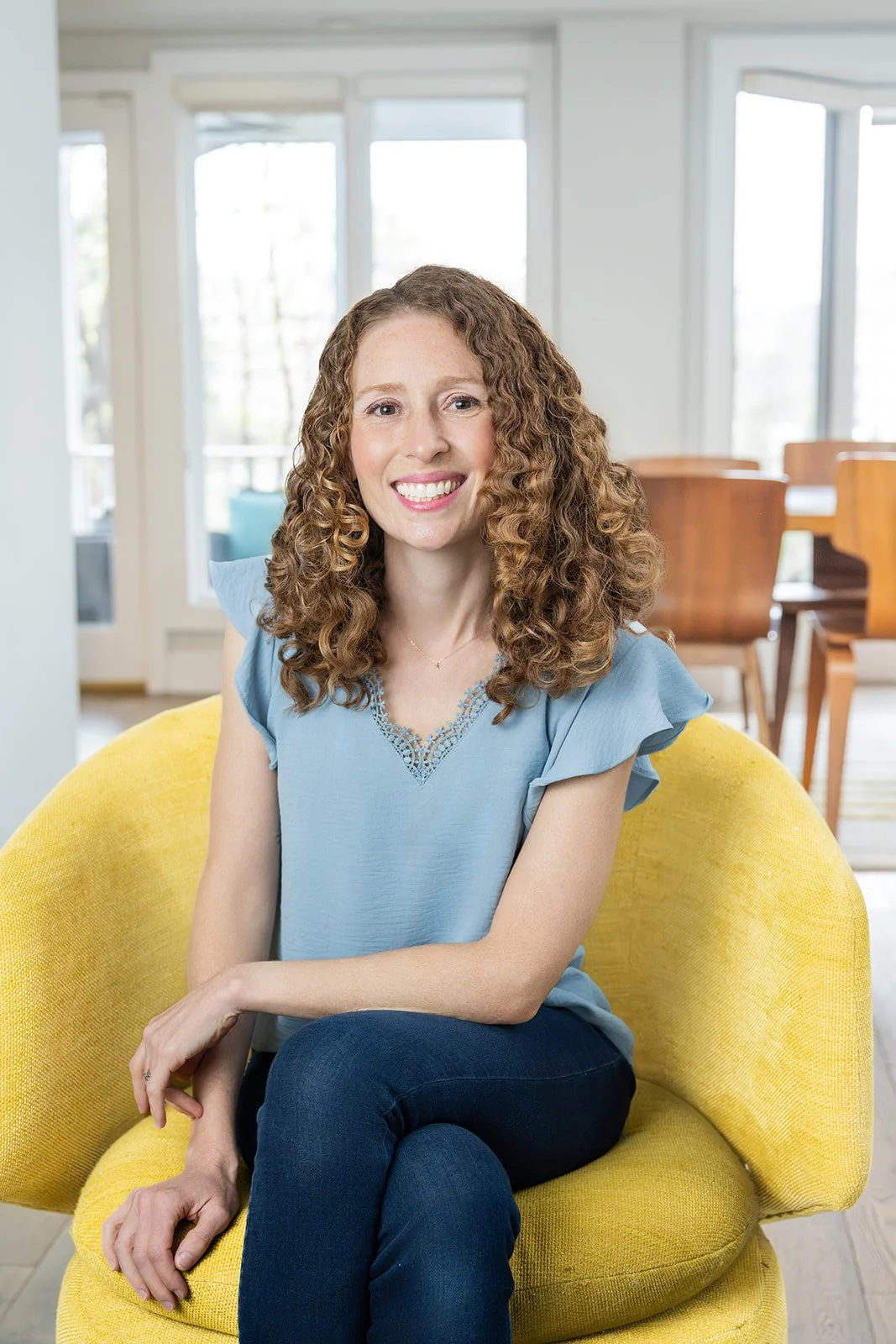
Emma Basch, PsyD is a licensed psychologist and the founder of Dr. Emma Basch and Associates, a Washington, DC practice specializing in perinatal mental health, women's mental health, and reproductive care. She has spent more than a decade supporting women through the full complexity of the reproductive journey, including the path to solo parenthood.
Questions We Hear Often
-
Absolutely. Grief and joy can exist at the same time. Grief about the partnership that did not come, about a version of this that looked different, or about a failed cycle does not contradict the love you have for your child or the clarity you feel about your decision. Complex, contradictory feelings are a normal and deeply human part of this journey. A therapist who specializes in reproductive mental health can help you make space for all of it, without judgment and without rushing you toward resolution.
-
Earlier than most people think. Many women wait until they are struggling significantly before reaching out. But therapy during the IVF process, well before the baby arrives, can help you process the decision, navigate the medical experience, and build the emotional resources that solo parenthood ahead will ask of you. If you are in the middle of the process and finding it harder than expected, that is reason enough to reach out. You do not need to be at a breaking point to deserve support.
-
Look for someone with specific experience in reproductive mental health, infertility, and perinatal care. You want someone who does not pathologize your choice, who understands the emotional terrain of donor conception, and who can hold both the joy and the complexity of this path. At Dr. Emma Basch and Associates, this is exactly the work we do. We would be honored to support you.
References
American Society for Reproductive Medicine (ASRM). (2026). For the first time, more than 100,000 babies born through IVF in the US in a single year. Retrieved from asrm.org
Braat, D., et al. (2025). A systematic review on the demographics, motivations, and experiences of single mothers by choice. Reproductive Health. PMC12574156.
Boston Congress of Public Health Review. (2024). Unveiling the burden of solitude: Mental health experiences of single mothers. Retrieved from bcphreview.org
Diego, D., Medline, A., Shandley, L. M., Kawwass, J. F., and Hipp, H. S. (2022). Donor sperm recipients: Fertility treatments, trends, and pregnancy outcomes. Journal of Assisted Reproduction and Genetics, 39(10), 2303-2310. PMC9464617.
Journal of Education and Health Promotion. (2024). The psychosocial impact on single mothers' well-being. 13(1), 148. doi:10.4103/jehp.jehp_1045_23
Murray, C., et al. (2021). Single mothers by choice: Parenting and child adjustment in middle childhood. PMC8054653.
Single Mothers by Choice. (2022). Single mom by choice statistics. Retrieved from singlemothersbychoice.org
Thoreneau, A., et al. (2023). Perceived social support in solo women seeking treatment with donor gametes. Scientific Reports. Retrieved from nature.com